

Download The Fear of God: What We Have Lost and Why It Matters
When did you last hear a full sermon on the fear of the Lord? Not a passing mention. A sermon. If you cannot remember one, that silence is not neutral. It shows what the church has quietly decided to leave out.
Scripture does not leave it out. “The fear of the LORD is the beginning of wisdom, And the knowledge of the Holy One is understanding” (Proverbs 9:10). Notice the order. Wisdom does not begin with education, talent, or experience. It begins with the fear of the Lord. Everything built without that foundation will eventually lean.
How We Lost It
We did not abandon it all at once. We traded it. God became a friend we visit, a helper we call on, a comfort we keep close. Those things are true in part. But a God reduced to those things is not the God of the Bible.
Hear the Lord’s own complaint. “If then I am the Father, where is My honor? And if I am a Master, where is My reverence?” (Malachi 1:6). He asks it of people who wanted the title of sons without the posture of sons. That describes much of what passes for Christianity today.
We still fear plenty. We fear opinions, bills, diagnoses, and elections. We do not fear the One who holds our next breath. Paul describes the condition of the lost in these words: “There is no fear of God before their eyes” (Romans 3:18). If that is the mark of the unconverted, what does it say when it becomes normal among those who wear the name of Christ?
What Healthy Reverence Is Not
Let us be clear. The fear of the Lord is not morbid dread. It is not cringing, and it is not the terror that sends a person running from God. Paul wrote, “For you did not receive the spirit of bondage again to fear, but you received the Spirit of adoption by whom we cry out, ‘Abba, Father’” (Romans 8:15).
John speaks of a fear that has torment in it (1 John 4:18). That is the dread of someone who expects punishment and sees no mercy. Adam hid among the trees because of that kind of fear. Sin makes us hide. Godly reverence does the opposite. It draws near.
Consider this verse slowly. “But there is forgiveness with You, That You may be feared” (Psalm 130:4). Forgiveness produces fear. The more clearly a person sees what he has been forgiven, the more he trembles at the One who forgave him. Gratitude without awe is only sentiment.
What Healthy Reverence Is
Scripture gives us a working picture. Healthy reverence has marks you can see.
It takes God at His word. “But on this one will I look: On him who is poor and of a contrite spirit, And who trembles at My word” (Isaiah 66:2). The Lord looks for the person who does not argue with what He said.
It hates evil. “The fear of the LORD is to hate evil” (Proverbs 8:13). A person who claims to fear God and still plays with sin has misunderstood both.
It treats the holy as holy. When Nadab and Abihu offered fire the Lord had not commanded, God said, “By those who come near Me I must be regarded as holy” (Leviticus 10:3). How we come near matters to Him. It should matter to us.
It serves with awe. “Let us have grace, by which we may serve God acceptably with reverence and godly fear. For our God is a consuming fire” (Hebrews 12:28-29). This was written to Christians living under the new covenant. The fire did not go out when Jesus came.
What the Early Church Understood
After Ananias and Sapphira fell dead for lying to the Holy Spirit, Luke wrote, “So great fear came upon all the church and upon all who heard these things” (Acts 5:11). Later he described a season of growth this way: “Then the churches throughout all Judea, Galilee, and Samaria had peace and were edified. And walking in the fear of the Lord and in the comfort of the Holy Spirit, they were multiplied” (Acts 9:31).
Put those two together. Fear and comfort walked side by side. Reverence and growth went hand in hand. Many today try to grow the church by removing every reason to fear. The first churches multiplied with the fear of the Lord present. We should ask which method has the better record.
Why Its Loss Explains So Much
Take away the fear of God and watch what follows. Sin shrinks, because a small God cannot be greatly offended. Grace turns cheap, because there is nothing serious to be forgiven. Obedience becomes optional, worship becomes entertainment, and repentance becomes rare. A person can sit in a pew for decades and never once tremble.
That is spiritual shallowness. It is not a lack of programs or better singing. It is a lack of awe. This is also how people end up Christians in name only. They carry the name. They enjoy the benefits they imagine. But there is no fear of the Lord before their eyes, so there is no real surrender in their lives.
Moses told Israel why God came down in thunder at Sinai: “that His fear may be before you, so that you may not sin” (Exodus 20:20). Fear is not the enemy of obedience. It is the root of it. Paul told believers to “work out your own salvation with fear and trembling” (Philippians 2:12), and to pursue “perfecting holiness in the fear of God” (2 Corinthians 7:1).
Where to Begin
The good news is that God does not leave us to manufacture this on our own. He promised, “I will put My fear in their hearts so that they will not depart from Me” (Jeremiah 32:40). So ask Him. Pray the prayer of David: “Teach me Your way, O LORD; I will walk in Your truth; Unite my heart to fear Your name” (Psalm 86:11).
Then do two things this week. Read one passage of Scripture slowly and let it say what it says. Name one area where you have treated holy things lightly and change it. Reverence is learned by practice, and it starts today.
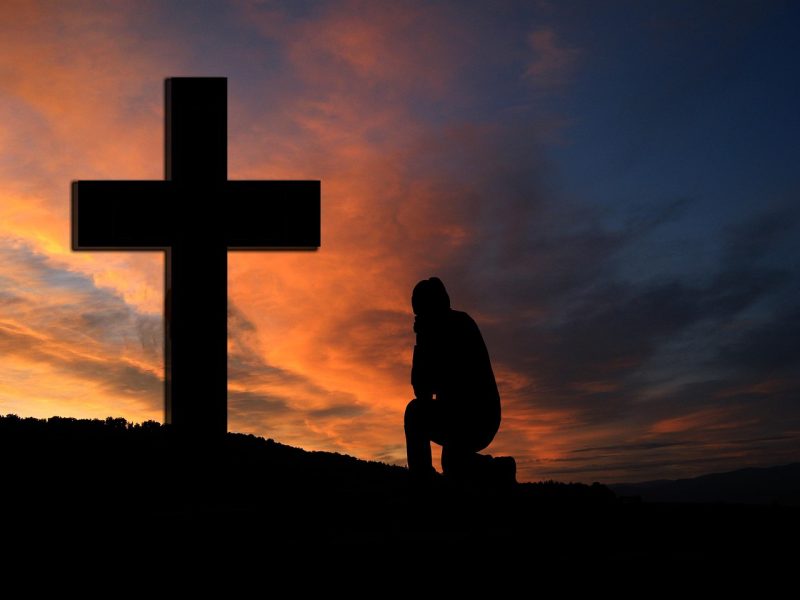
The fear of the Lord is not what stands between you and the Father. It is what brings you to His feet with a heart bowed at His throne.
Keep Earnestly Pursuing God
Download The Fear of God: What We Have Lost and Why It Matters





No comments yet